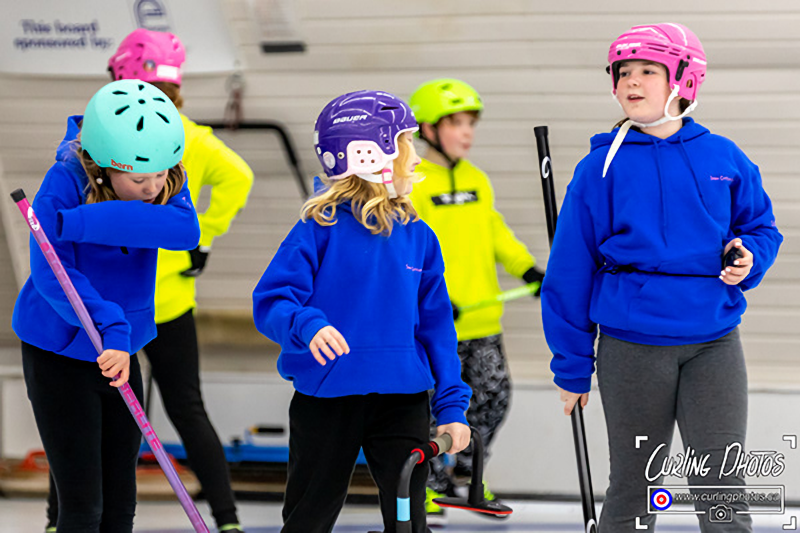
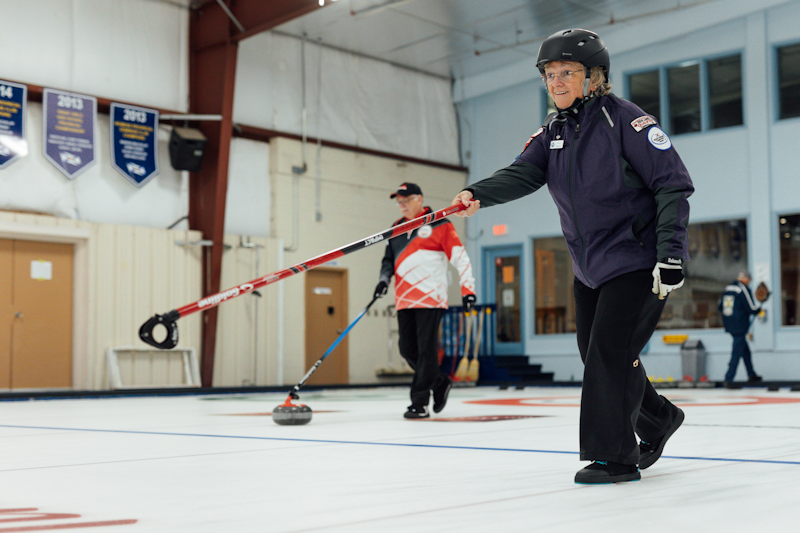
Curling Canada recommends the of helmets by novice curlers, or curlers who are at high risk of falling. The Nova Scotia Curling Association recommends this as well, in addition to our own helmet policy. We mandate that all competitors under the age of twelve (12) years must wear an appropriate helmet on-ice at all NSCA sanctioned events and championships. To review the policy in full and see which helmet standards are approved, please click here.
While throwing rocks at houses is a lot of fun, the combination of slippery ice and granite rocks can lead to falls, accidents, collisions and in some cases, concussions. Concussions can occur while participating in any sport or recreational activity, including Curling. A concussion is a brain injury that cannot be seen on routine X-rays, CT scans, or MRIs. It affects the way an athlete may think and remember things, and can cause a variety of symptoms. A reminder that an athlete doesn’t need to blackout (lose consciousness) to have had a concussion. As a coach or administrator, when dealing with a suspected concussion, your actions in the immediate aftermath play a huge role in the successful recovery of that athlete.
What to do if you suspect an athlete has a concussion? (From the Parachute Concussion Series)
- In all suspected cases of concussion, the athlete should stop playing right away. Continuing to play increases their risk of more severe, longer-lasting concussion symptoms, as well as increases their risk of other injury.
- The athlete should not be left alone and should be seen by a doctor as soon as possible that day. They should not drive.
- If the athlete loses consciousness, call an ambulance to take them to the hospital right away. Do not move them or remove any equipment such as a helmet.
- The athlete should not return to play the same day.
How can I recognize the symptoms of a concussion?
- We encourage all coaches to use (and carry with them) the Pocket Concussion Recognition Tool.
The Coaching Association of Canada has a great and FREE e-Learning module regarding concussions. Click here for a link to the module. As a bonus, coaches will receive 5 PD points upon completion.
Our partners at Curling Canada have established a Return to Play Policy if an athlete has suspected. This policy is in effect at all our Provincial Championships and we encourage all our member clubs to adopt this policy as well. Click here to review the full document.
For more information on Curling Canada safety recommendations, visit: https://www.curling.ca/about-us/about-curling/safety-first/